Why trees?
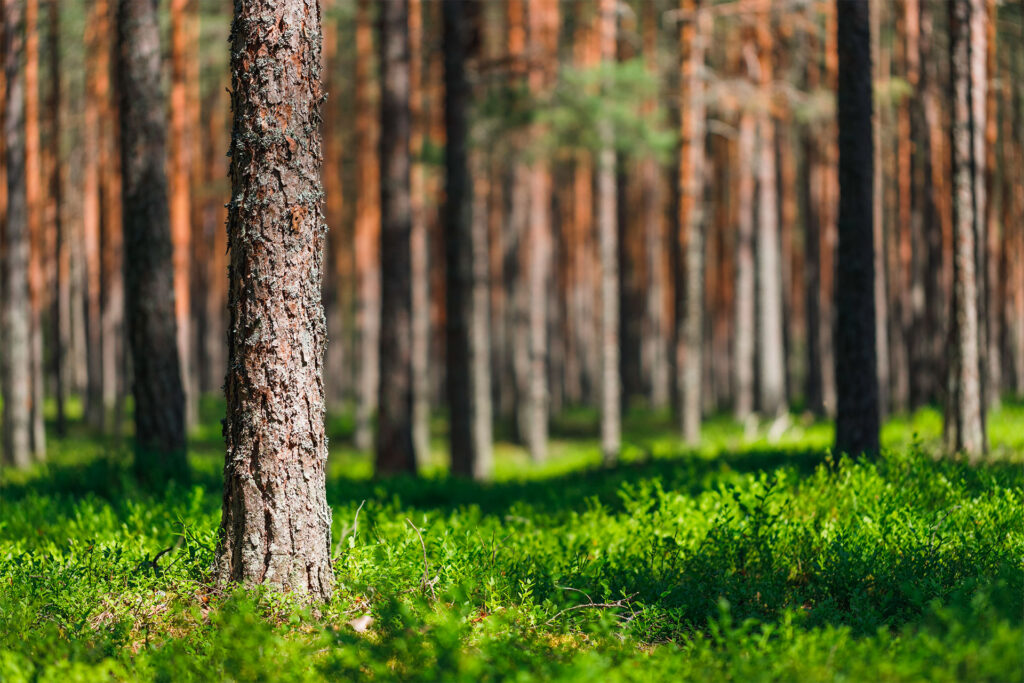
The forest is an amazing ecosystem, full of life and secrets. The oldest trees on Earth, like pines, can live for more than 4800 years, and one of them, known as “Mafusal,” grows in California. The trees in the forest are connected to each other through a complex underground network of roots and fungi that form mycorrhiza — a kind of “internet of trees”. Forests are home to more than 80% of terrestrial animal, plant, and fungal species and provide a wide variety of habitats. They play a key role in oxygen production and carbon dioxide sequestration; One hectare of forest can bind about 10 tonnes of carbon dioxide per year. While wildfires can be devastating, they also contribute to the reproduction of many tree species, such as pines. There are many strange creatures living in the forests, and many species are still undiscovered, which makes the forests real “treasure chests” for biologists. In addition, forests are the source of many of today’s medicines; For example, aspirin was developed from compounds in willow bark. Forests are not just beautiful places, but vital ecosystems that sustain life on our planet, and their preservation is crucial for our future.
Ecological significance
Trees play a critically important role in sustaining life on our planet.
They are the foundation of ecosystems and maintain the balance between nature and humans. Thanks to photosynthesis, trees produce oxygen, bind carbon dioxide and reduce the concentration of greenhouse gases in the atmosphere, which slows down climate change.
Trees purify the air by filtering dust and harmful substances, strengthen the soil with their root system and prevent erosion. They provide a natural habitat for numerous plant and animal species, supporting biodiversity. In addition, trees regulate temperature by providing shade and improving the microclimate, and actively participate in the water cycle, humidifying the air through transpiration.
Thus, trees are an essential part of sustainable development and the preservation of life on Earth.
Oxygen production
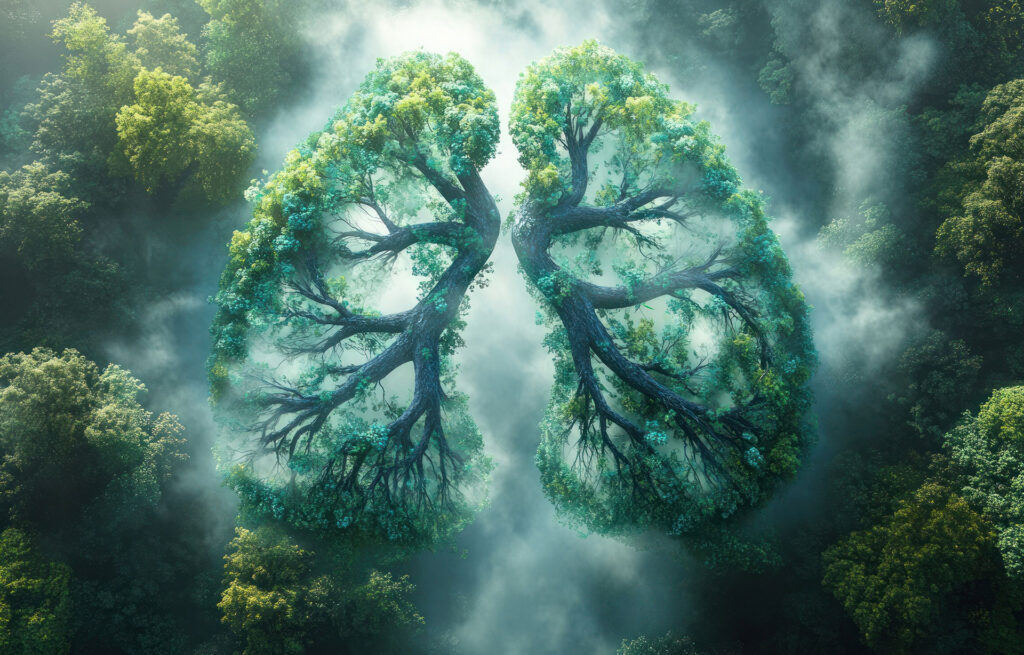
One of the most important functions of trees is the production of oxygen.
In photosynthesis, they convert carbon dioxide into oxygen, which is essential for human and animal respiration.
One adult tree can produce 100–400 litres of oxygen per day, depending on the species, size and growing conditions. This amount is enough to sustain the lives of several people.
The more trees, the higher the oxygen content and the cleaner the air. Large-scale forest protection and restoration have a direct impact on quality of life and the health of society.
The Impact of Trees on Our Lives
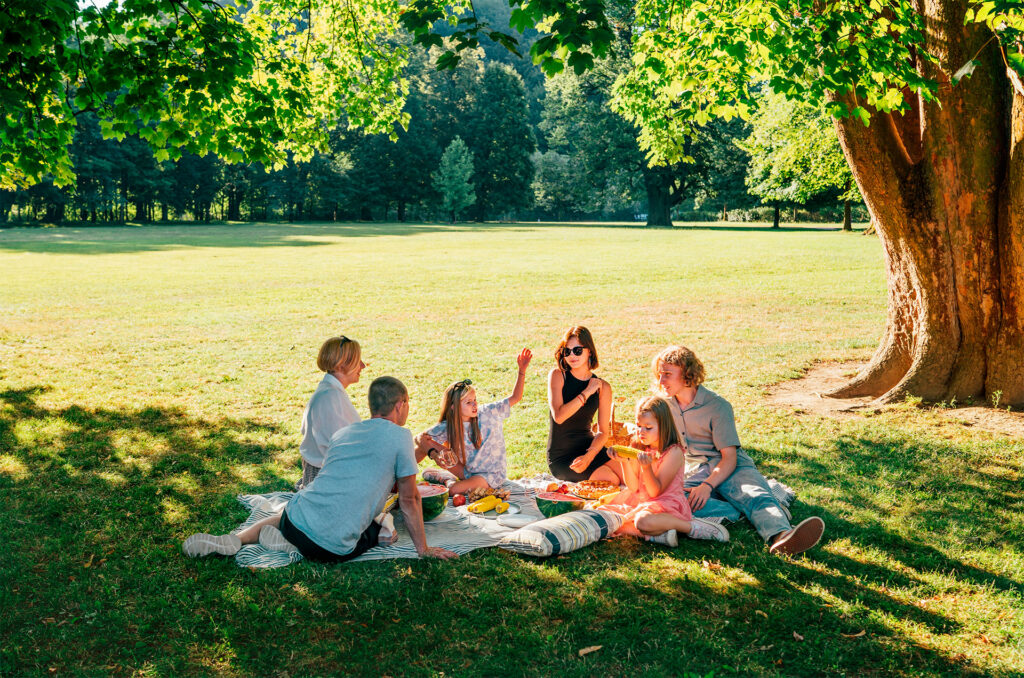
🌱 Health
Green areas improve well-being, reduce stress, and promote physical and mental health.

🌬 Without
Trees purify the air by reducing the amount of pollutants and increasing the concentration of oxygen.

👥 Social impact
Forests and parks create a pleasant environment for living, recreation and encounters, strengthening people’s connection to nature.
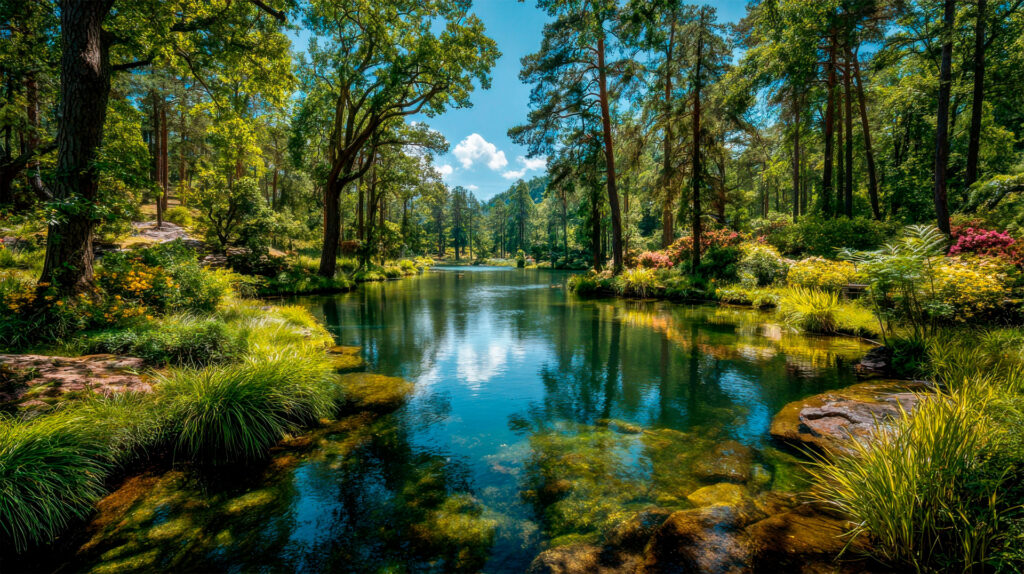
💧 Water
Trees regulate water balance, protect fresh water sources, and prevent soil from drying out.
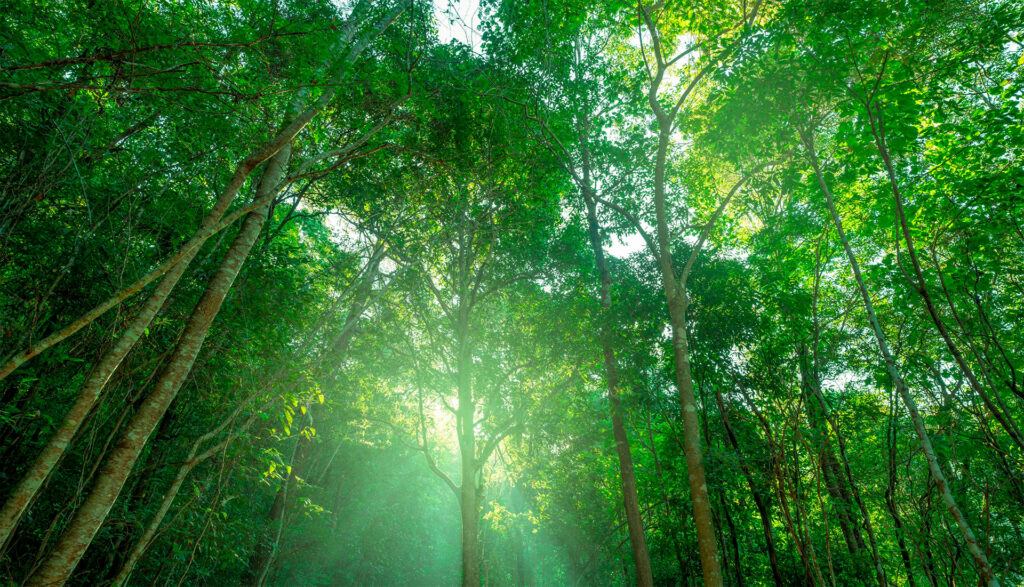
🌍 Climate
Forests help stabilize the climate, slow down global warming and regulate the temperature of the environment.
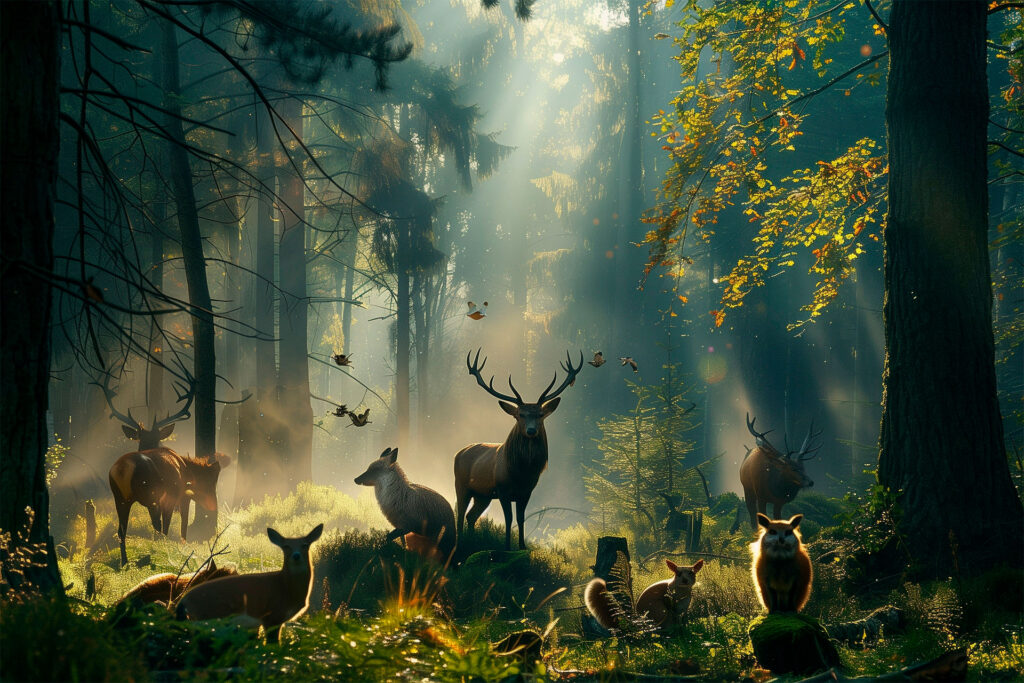
🦋 Diversity
Trees are home to millions of species and support the sustainability of ecosystems.
More information about trees
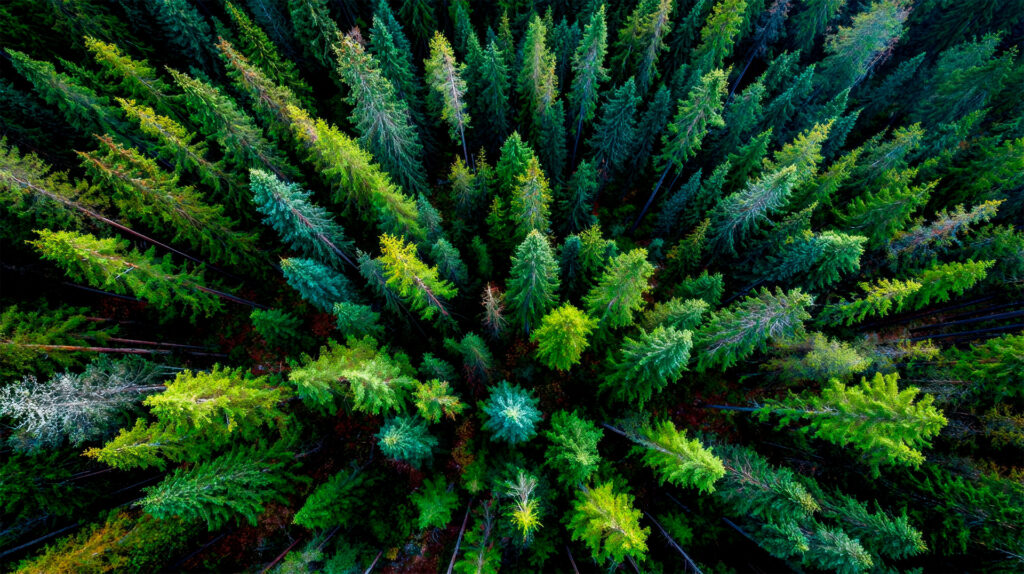
Tree species
Dive into the diversity of tree species. Learn about the different types of trees, their unique characteristics, and their importance to our ecosystems.
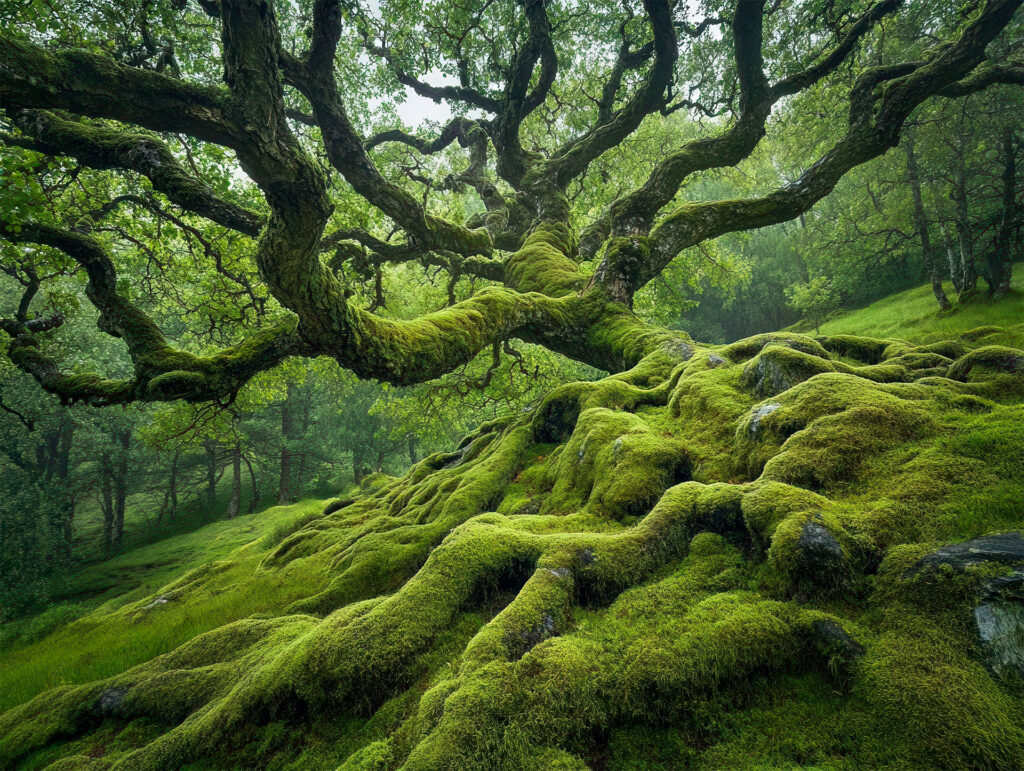
Facts about trees
Discover interesting facts about trees and appreciate even more deeply the incredible role trees play in our world.
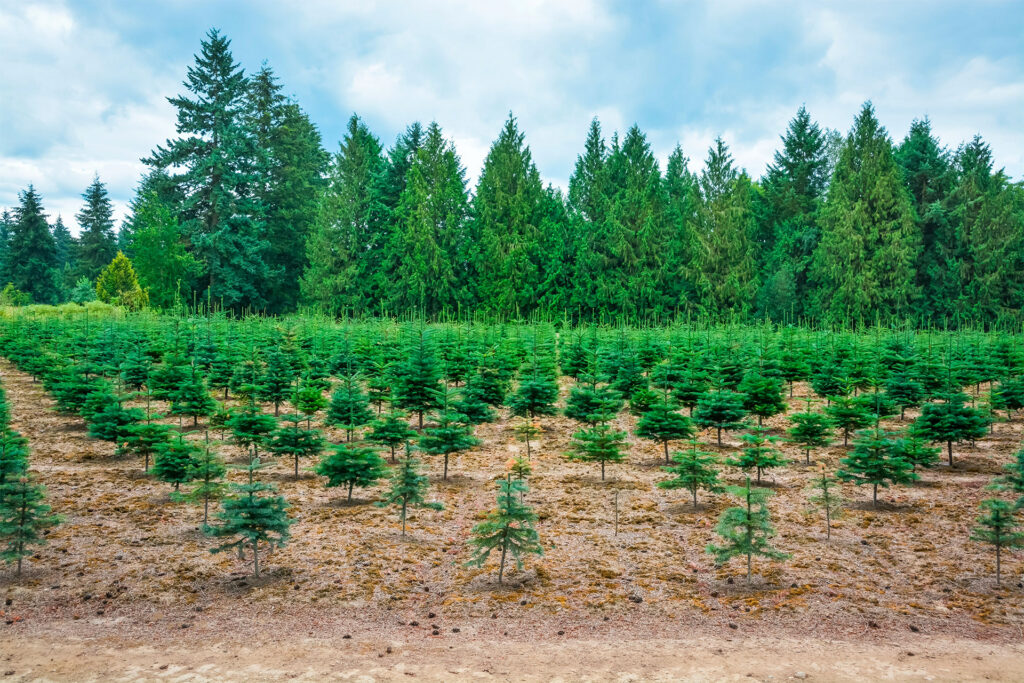
Forest restoration
Discover the paramount role of forest restoration in restoring the health of our planet. Learn about the benefits of planting trees and how we can contribute to a more environmentally friendly and sustainable future through our own actions.
Climate change
Learn about the link between climate change and deforestation. Find out about the impact on our planet and how we can improve it through forest restoration and sustainable methods.
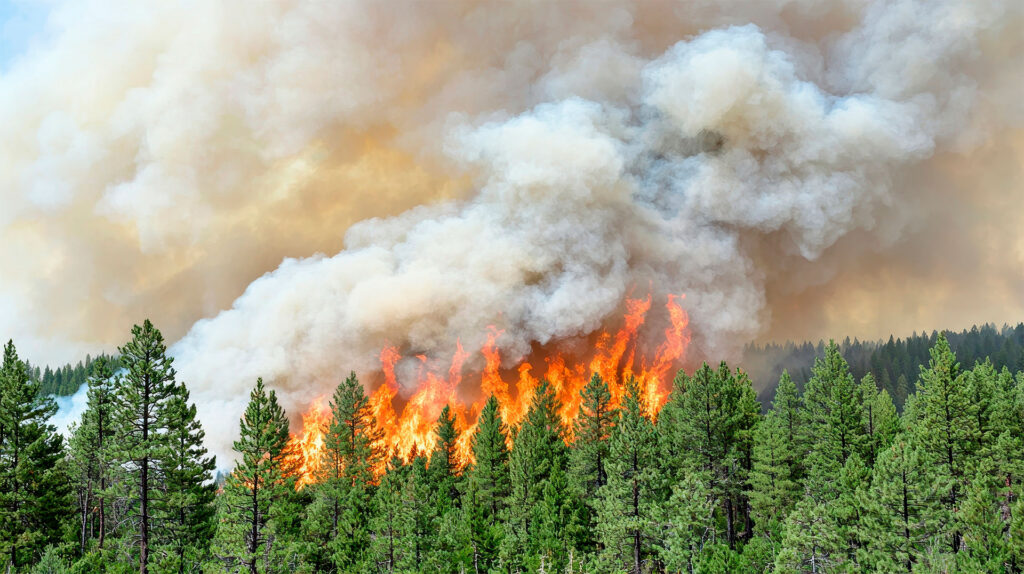
Forest fires
Learn how wildfires affect the environment and how we can help. Learn about prevention strategies, restoration efforts, and ways to contribute to forest restoration in areas affected by fires.
Our contribution to the future
Trees are an investment in the future of our planet.
Protecting and restoring them is crucial for the health of the Earth and future generations. We can all make a difference: by planting new trees, supporting existing forests and participating in environmental initiatives.
Together, we can protect nature and make the world a cleaner 🌍💚 place