Climate change
Forest and ecology
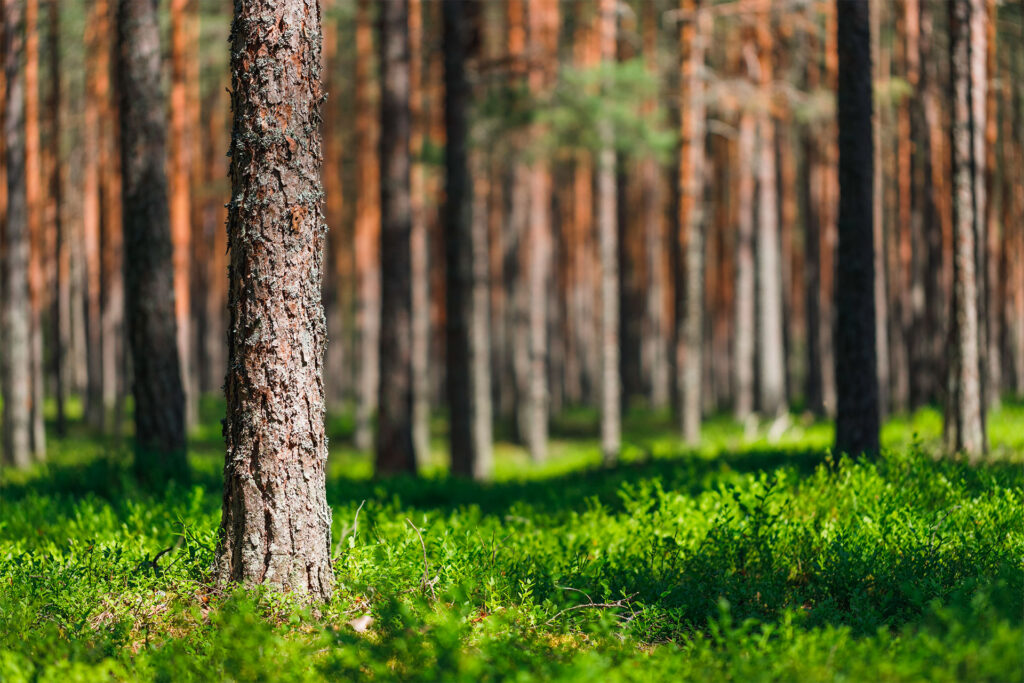
Forests are not only scenic natural areas, but also a key foundation for our planet’s ecosystem. They cover about 31% of the Earth’s surface and are home to more than 80% of all animal, plant and fungal species that live on Earth. Forests provide people with air, water, and resources, and play a crucial role in maintaining the balance of nature.
The role of forests in the planetary ecosystem
Photosynthesis and climate
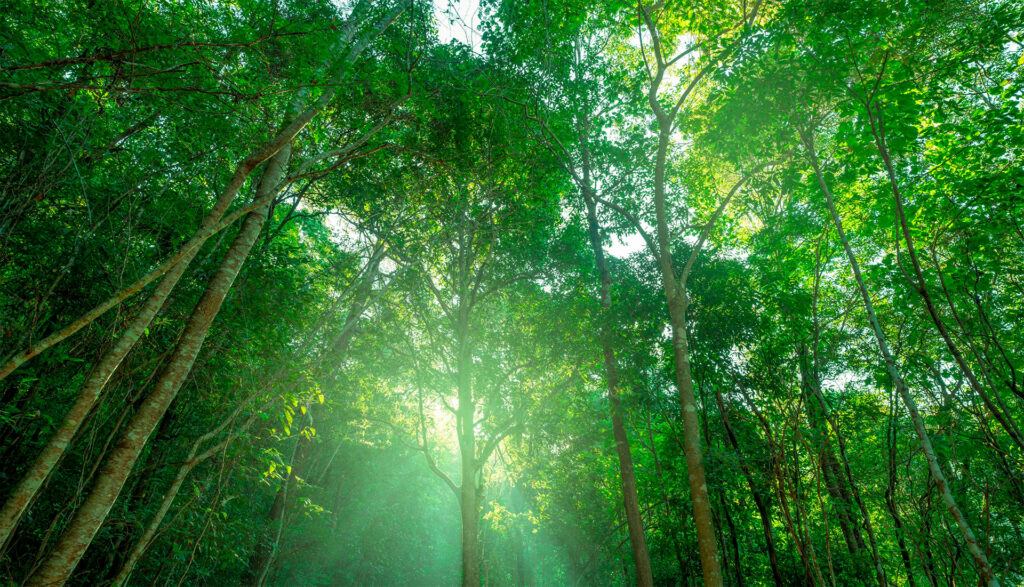
One of the most important functions of forests is photosynthesis. Trees bind carbon dioxide and produce oxygen, cleaning the atmosphere and reducing the concentration of greenhouse gases.
Just one hectare of forest can bind up to 10 tonnes of CO₂ per year, making forests an effective tool in the fight against climate change.
Biodiversity and the balance of nature
Forests support:
- biodiversity;
- soil fertility;
- water cycle;
- resilience of ecosystems to extreme climatic conditions.
Threats to forests
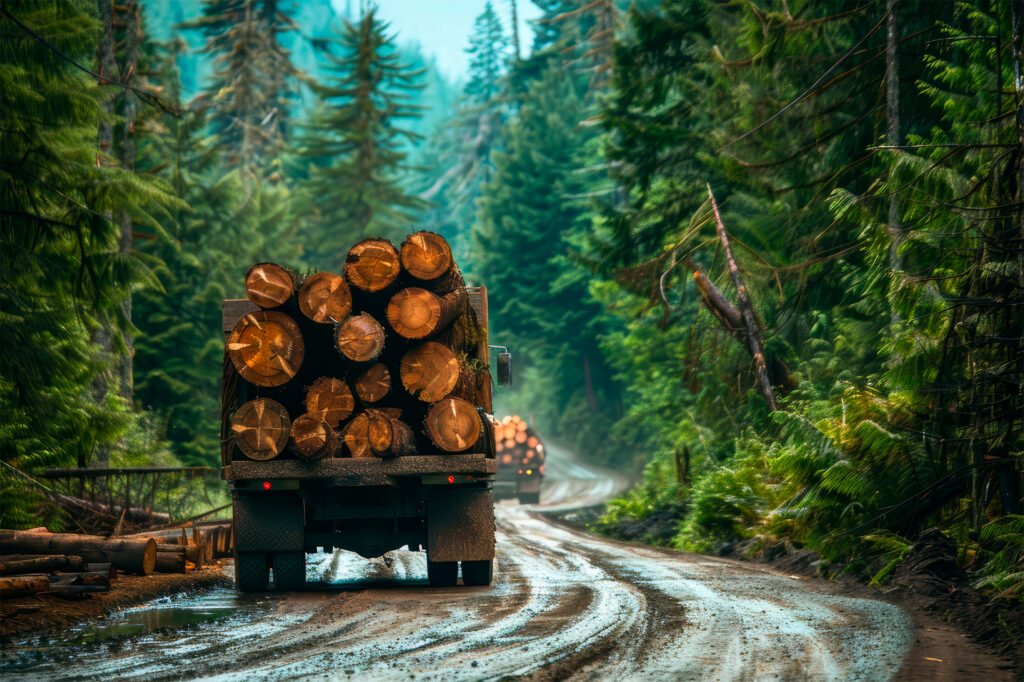
Today, forests face serious challenges. Large-scale logging for agriculture, construction and the exploitation of natural resources leads to the destruction of natural ecosystems.
Around 10 million hectares of forest are lost in the world every year, causing the following:
- loss of biodiversity;
- increased soil erosion;
- water imbalance;
- the acceleration of climate change.
Ecosystems and their importance
Ecosystems are complex networks in which living organisms and their environment interact. These include plants, animals, microorganisms, soil, water, and climate.
There are different types of ecosystems:
- forest,
- water,
- meadow,
- deserted,
- city.
Each of them performs important functions: producing food, regulating the climate, purifying air and water, and sustaining life on the planet.
Why is it important to preserve ecosystems?
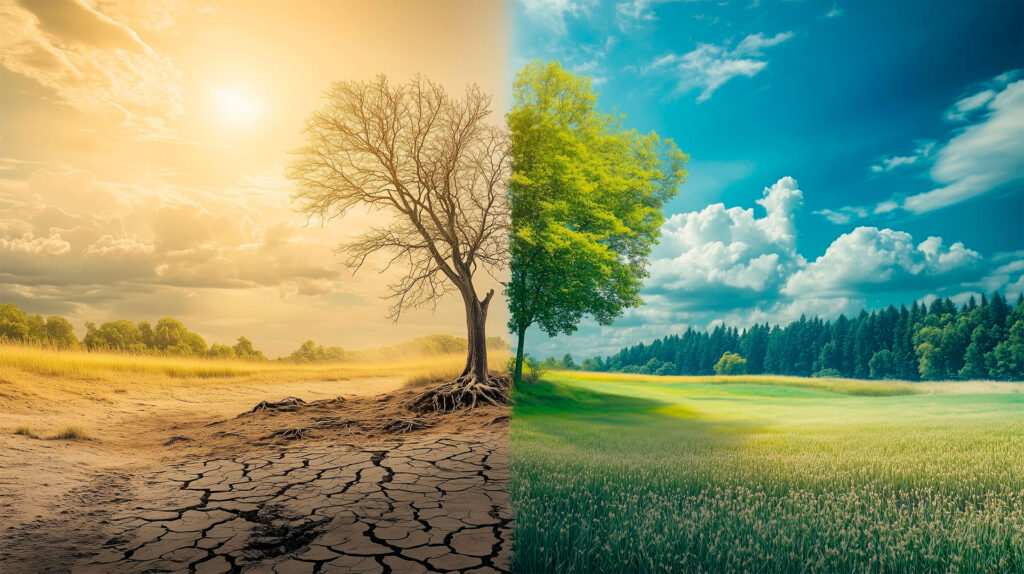
Climate change, pollution and the destruction of natural areas threaten ecosystems. Their disappearance will lead to a deterioration in the quality of life of people and a decrease in the sustainability of the planet.
Preserving ecosystems is not a choice, but a necessity for the survival of humanity.
Solutions to environmental problems
Afforestation and forest protection
The establishment of nature reserves and national parks helps to preserve and restore forest areas.
Legislative measures
Development and implementation of laws regulating forest management and the fight against illegal logging.
Raising awareness
To inform society about the value of forests and the consequences of their destruction.
International cooperation
Joint actions by countries to solve global environmental problems and protect nature.
Our collective contribution
Protecting forests is everyone’s responsibility. Planting trees, supporting environmental projects and conscious consumption help protect nature.
Together, we can protect forests and create a sustainable future for future generations and our species. 🌍🌱