Forest fires
Forest fires are one of the most serious threats to forest ecosystems and the environment. Every year, they destroy millions of hectares of forests, causing enormous damage to nature, the climate and human life. With climate change and rising temperatures, the risk of forest fires is constantly increasing.
What is a forest fire?
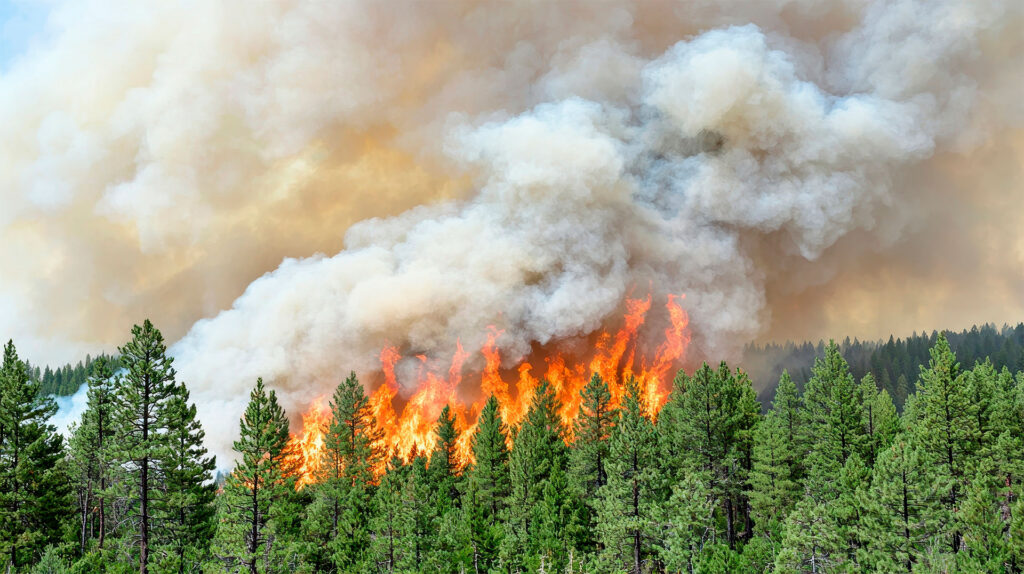
A forest fire is an uncontrolled burning of vegetation in forests and natural areas. It can spread extremely quickly, especially in dry and windy weather, and destroy trees, soil, animals and infrastructure.
Main causes of forest fires
The human factor
Most forest fires are caused by humans:
- careless handling of fire;
- unextinguished fires;
- abandoned cigarette butts;
- arson and agricultural fires.
Natural causes
Natural factors include:
- lightning strikes;
- dry weather;
- high temperature and strong wind.
Consequences of forest fires
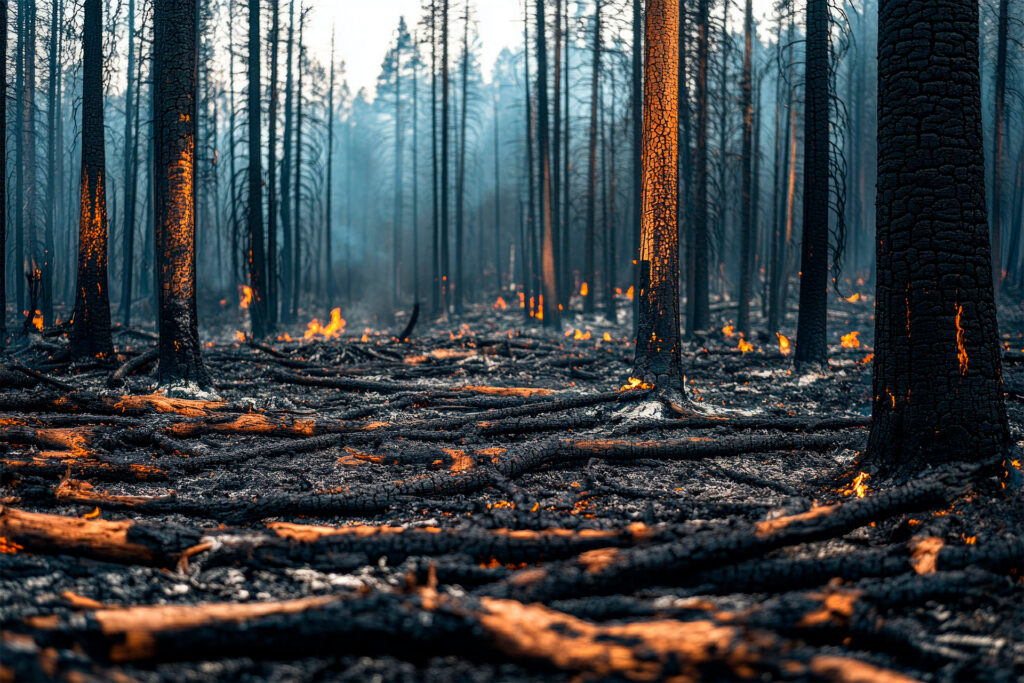
Forest fires have long-term and devastating consequences:
- destruction of forests and biodiversity;
- the death of animals and the destruction of their habitat;
- air pollution with smoke and toxic substances;
- increased soil erosion and landslides;
- increase in carbon dioxide emissions;
- a threat to human life and health.
It can take decades for ecosystems to recover from major fires.
The impact of fires on the climate
Forest fires release huge amounts of carbon dioxide into the atmosphere. Forests, which are supposed to absorb carbon dioxide, become a source of emissions, which intensifies global warming and creates a vicious circle of climate change.
Forest fire prevention
Forest fire prevention is the most effective way to protect forests.
Basic preventive measures:
- creation of fire shelters;
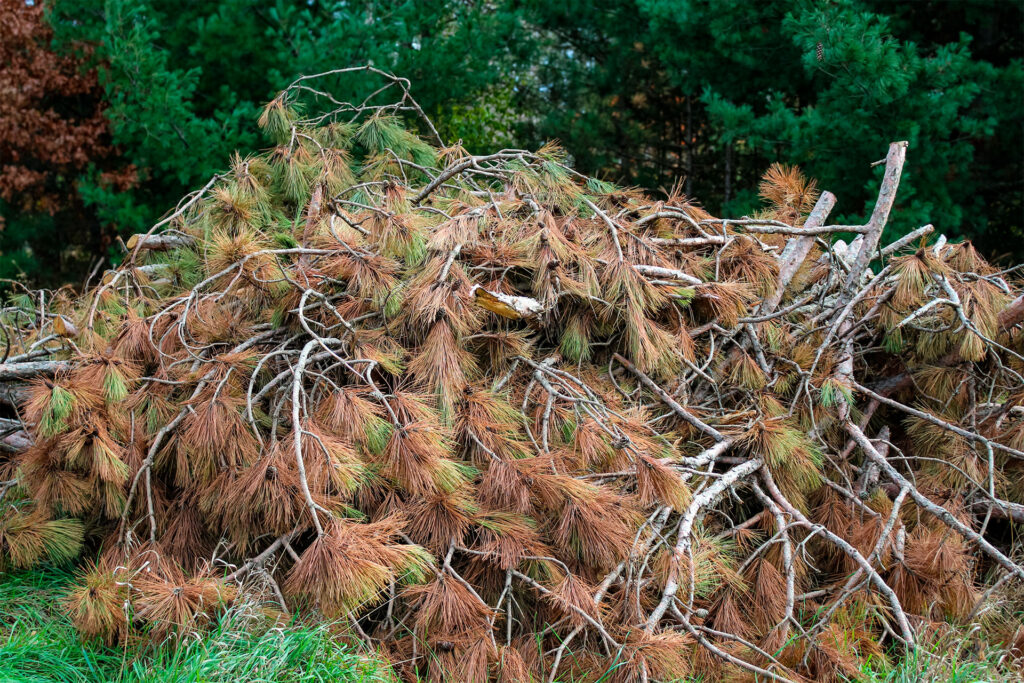
- regular clearing of forests of dry vegetation;
- monitoring forests;
- restricting forest visits during the period of fire danger;
- inform the public about fire safety rules.
What to do if you notice a fire
If you notice a forest fire:
- immediately call the emergency number;
- Do not attempt to extinguish the fire yourself if it is life-threatening.;
- Leave the danger zone and warn other people.
A quick response can save the forest and lives.
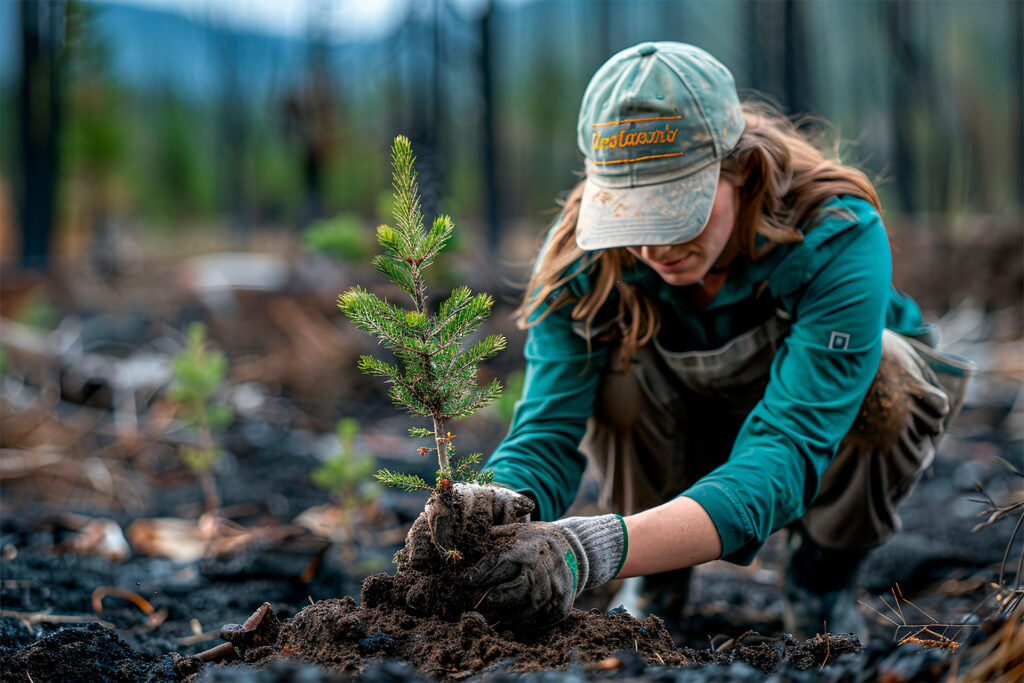
Restoring the forest after fires
Forest restoration work is underway after the fires:
- cleaning of damaged areas;
- prevention of soil erosion;
- planting new trees;
- monitoring the condition of restored areas.
The use of native plant species helps bring the ecosystem to life faster.
The role of each of us
Most forest fires are preventable. Responsible behaviour in nature, compliance with safety regulations and participation in environmental projects help to protect forests.
Protect the forest — it protects us.
Every responsible action today means preserved nature tomorrow 🌱