Forest restoration
Forest management
Forest management is a set of activities aimed at maintaining the health, sustainability and productivity of forest ecosystems. Proper forest management helps to maintain biodiversity, prevent diseases and minimise the negative effects of natural and man-made factors.
Basic forest management measures
Monitoring the state of forests
Regular monitoring of trees, soil and biodiversity allows for the timely detection of diseases, pests and other threats. This is the basis for efficient and sustainable forest management.
Sanitary felling
Removing diseased, damaged, and old trees reduces the risk of disease transmission and improves the growing conditions for healthy trees.
Forest regeneration
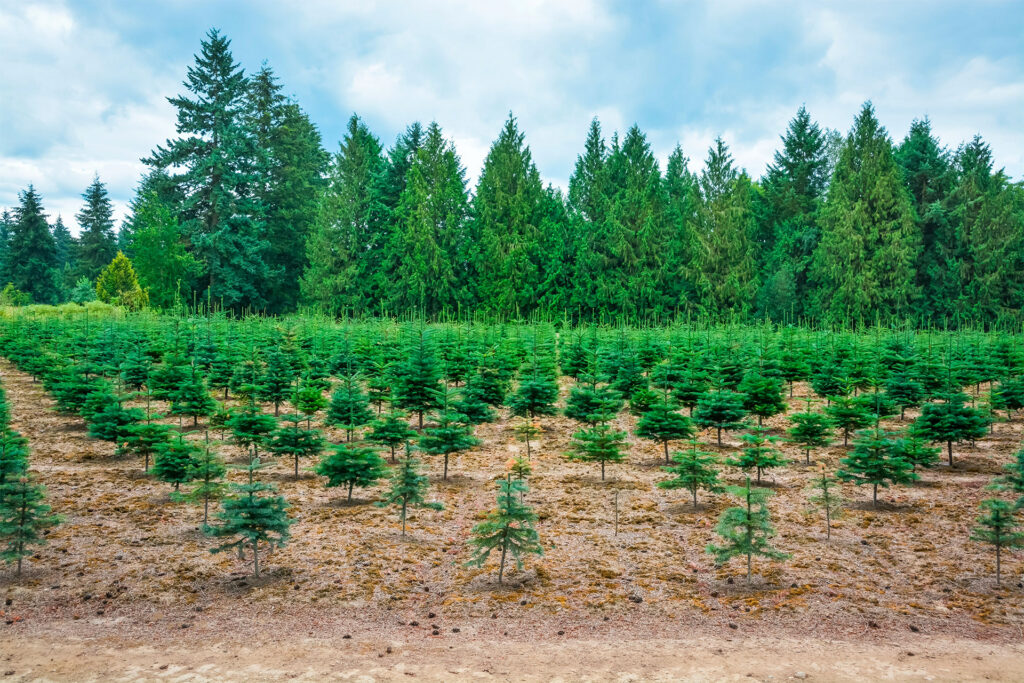
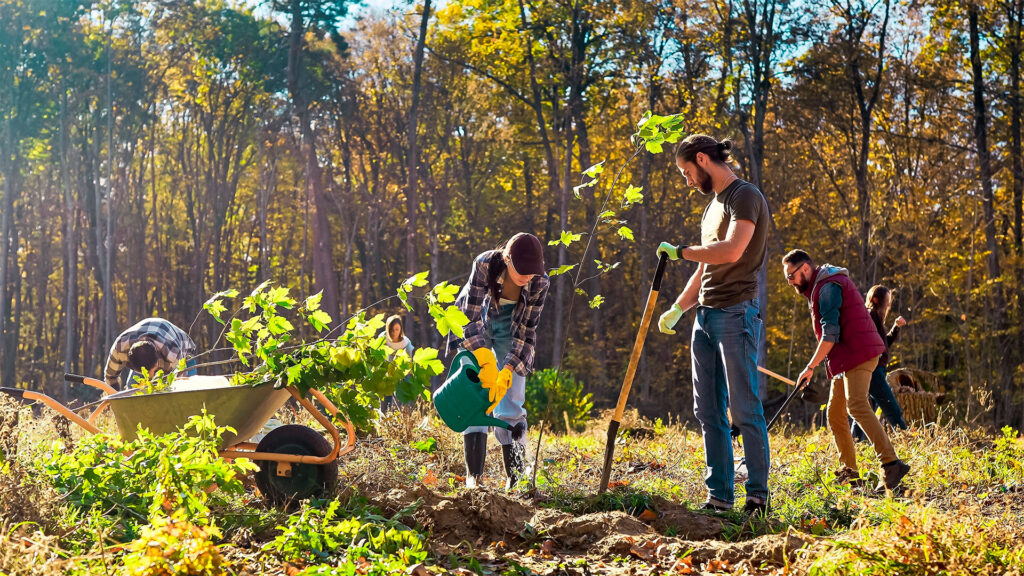
Planting new trees is especially important after logging, fires, and other natural disasters. The use of native and adapted species increases the survival and resilience of forests.
Clearing and thinning of forests
Deforestation involves removing unwanted vegetation that competes for light, water, and nutrients.
Thinning is the selective removal of some trees to reduce the density of the stand.
Эти методы:
- improve the availability of light and air;
- reduce the risk of diseases and pests;
- promotes the growth of strong and valuable trees;
- increase the resilience of forest ecosystems.

Water Resources Management
Water is a key factor in the health of the forest. The maintenance of forest water resources includes:
- protection of streams, swamps and artificial lakes;
- control of surface runoff to prevent erosion;
- maintaining the groundwater level;
- Water quality monitoring.
Proper moisture management contributes to ecosystem stability and prevents flooding and soil drying out.
Logging and clearing
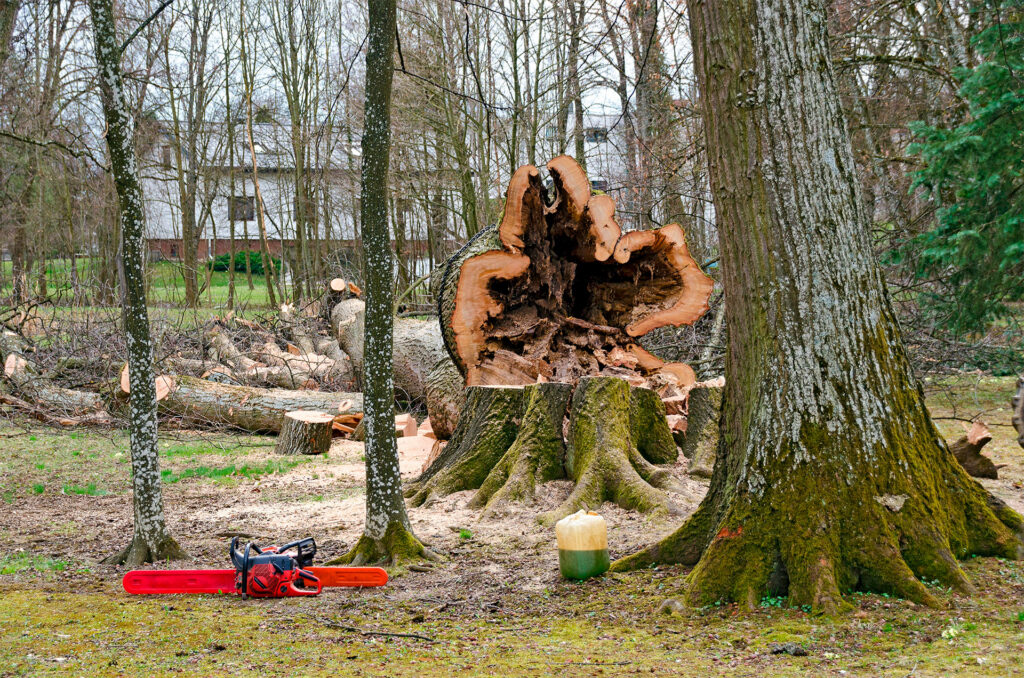
In sustainable forest management, felling is selective and healthy. It aims to:
- removal of weakened and diseased trees;
- improvement of growing conditions for young seedlings;
- prevention of the spread of the disease.
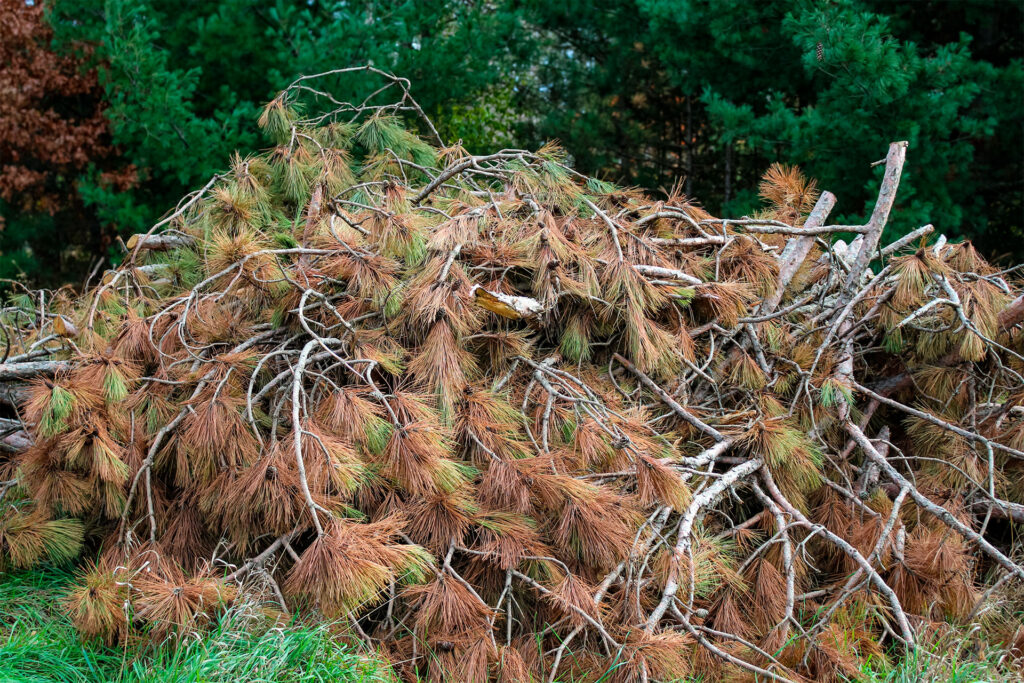
Clearing forests of wood waste and dead wood reduces the risk of forest fires and creates favourable conditions for the natural restoration of forests.
Protection against pests and diseases
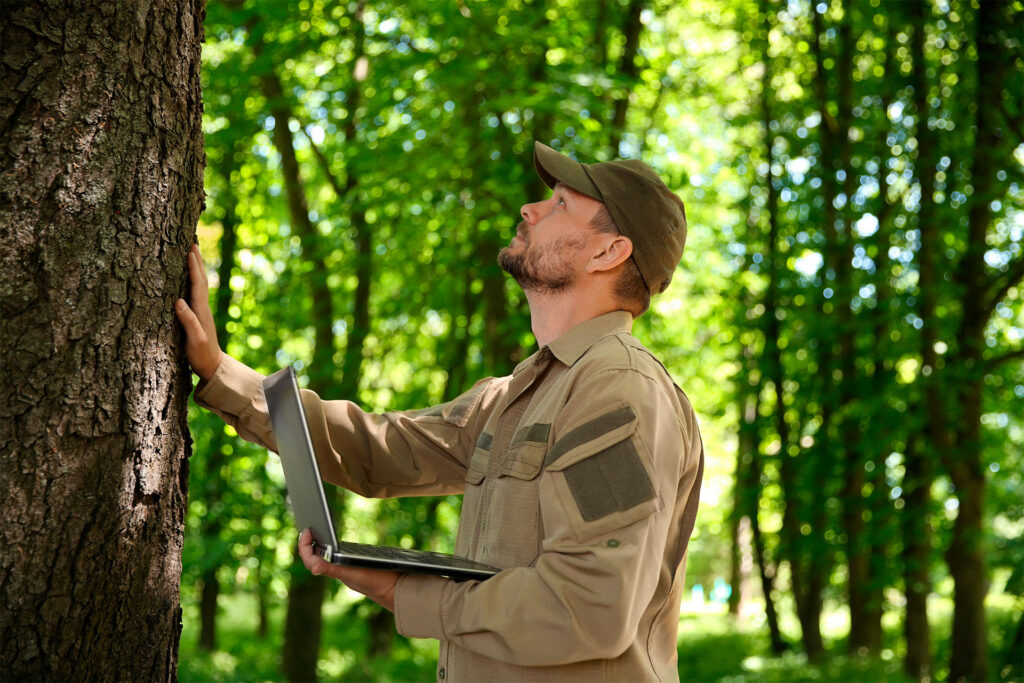
Effective forest protection includes, for example:
- regular examinations and diagnostics;
- biological control with the help of natural enemies of pests;
- integrated treatment methods with minimal use of chemicals;
- sanitary felling and preventive measures.
Education and community involvement improve conservation and help conserve forest resources.

The role of biodiversity in forest management
Biodiversity is the foundation of a sustainable forest. A variety of native tree and plant species are used:
- increases resistance to pests and climate change;
- improve soil quality and water balance;
- promote the restoration of wildlife;
- improves the forest’s ability to sequester carbon.
Diverse forests are better adapted to extreme weather conditions and maintain their ecosystem functions.
Why is forest management so important?
Proper forest management is an investment in ecological balance, climate stability and the quality of life of future generations. By preserving forests today, we create a sustainable and green future 🌿