Trees facts

How trees improve air quality
Trees play a key role in cleaning and improving air quality. Through photosynthesis, they absorb carbon dioxide and release oxygen that is essential for life. The leaves and bark of trees act as natural filters that trap dust, smoke, and other pollutants.
Trees can also absorb harmful gases such as sulphur dioxide, ammonia and ozone. By evaporation, they humidify the air, which reduces dust and creates a more pleasant microclimate. In cities, trees also lower temperatures, which reduces the effect of the “heat island” and reduces the formation of smog.
As a result, the air becomes cleaner and fresher, and living conditions are healthier and more comfortable.
Cities where greening has improved air quality
Many cities around the world have already shown that green spaces really work:
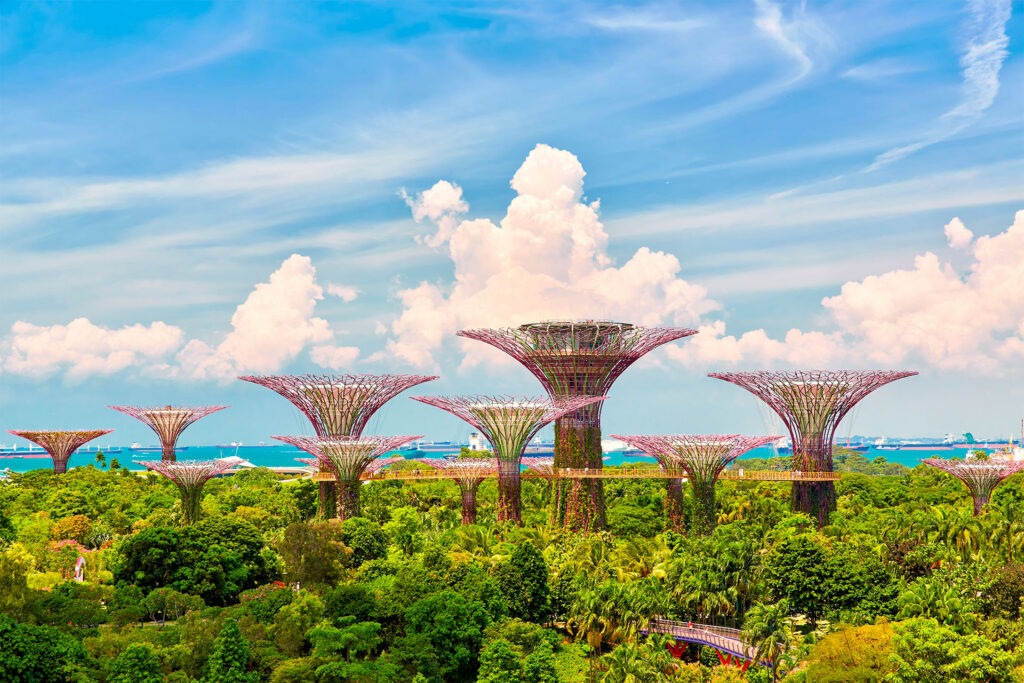
Singapore
The City in the Garden program has transformed Singapore into one of the greenest cities in the world by improving air quality and microclimate.
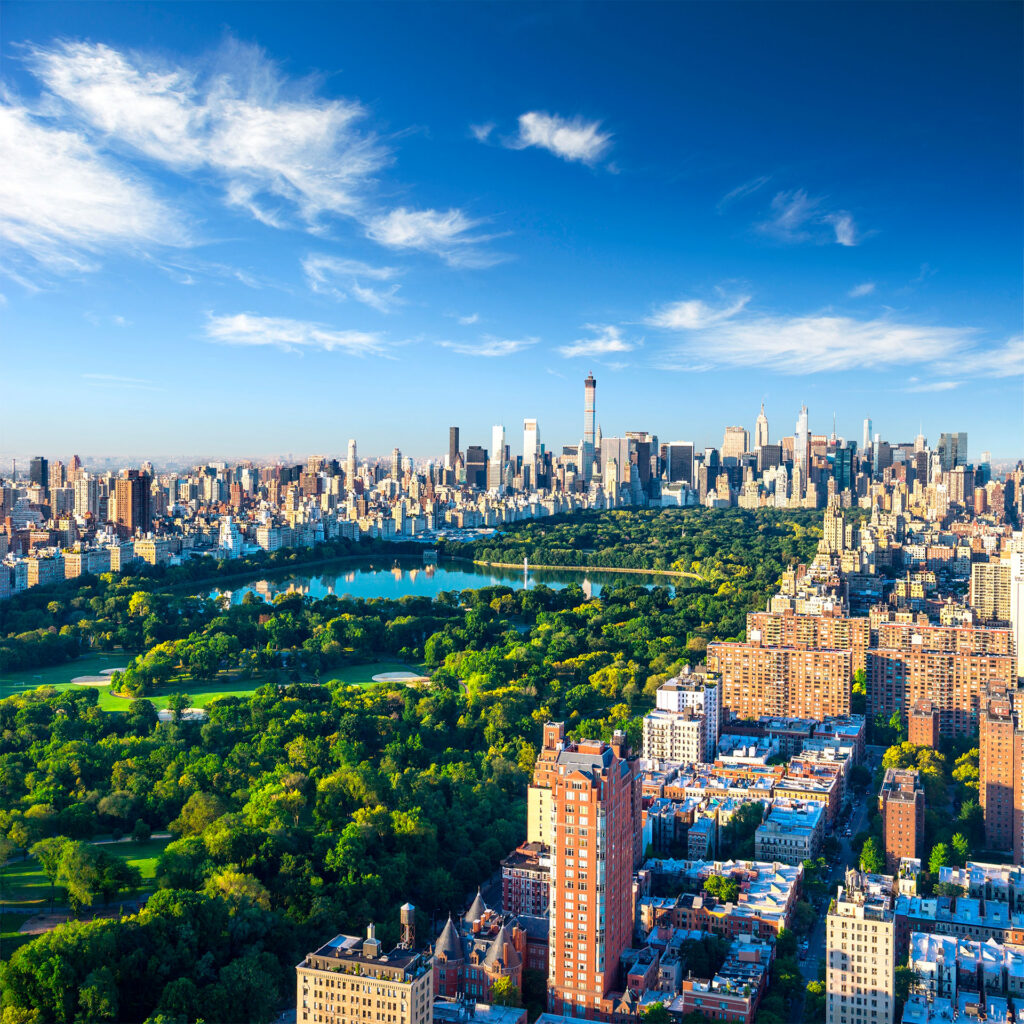
New York City, USA
The MillionTreesNYC initiative has planted more than one million trees, reducing pollution and improving the urban environment.
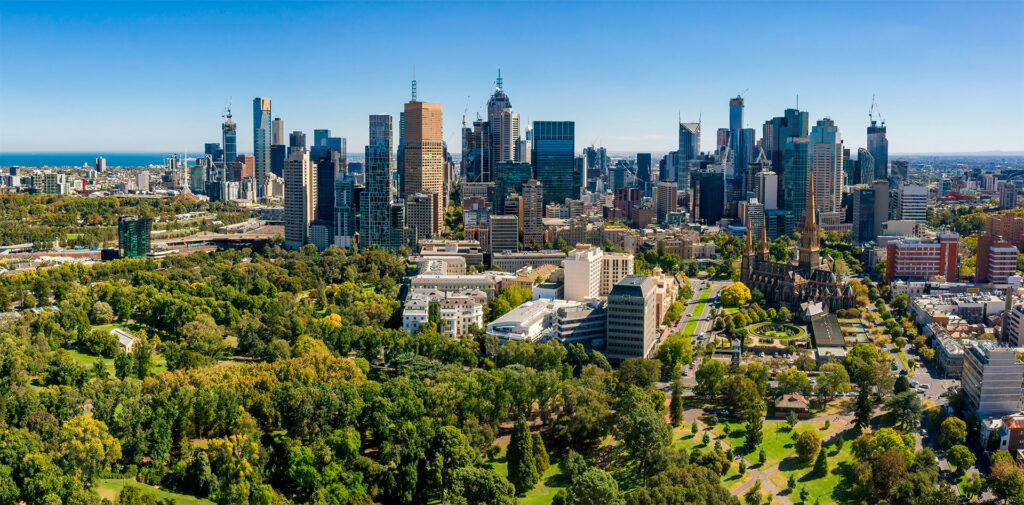
Melbourne, Australia
The Urban Forest Strategy programme has helped to improve air quality and reduce summer heat.
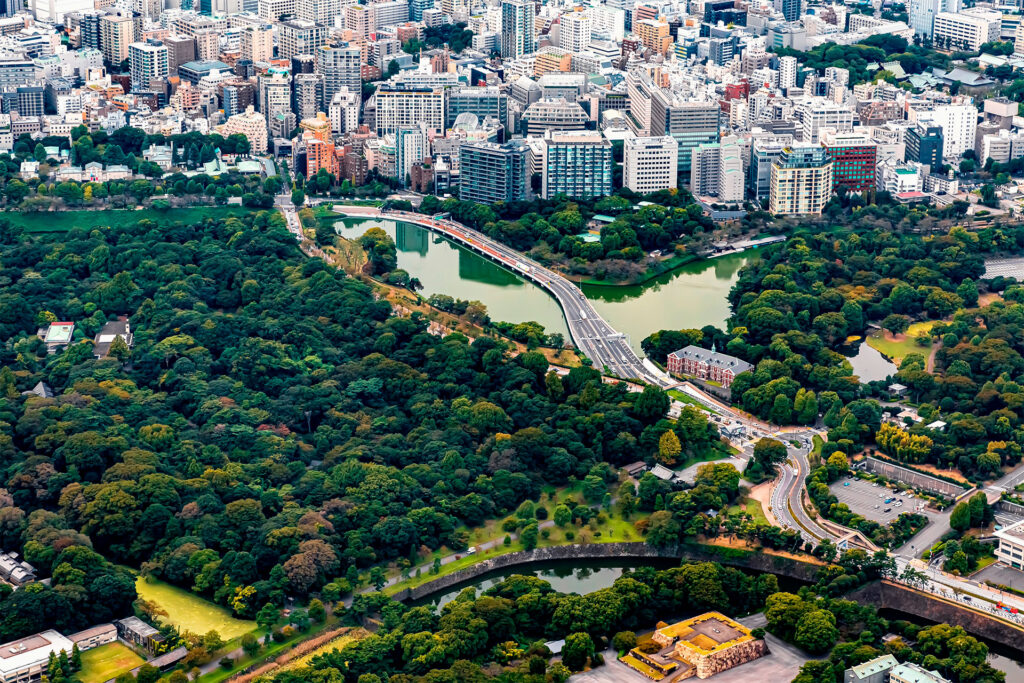
Tokyo, Japan
The greening of streets and parks has significantly improved air quality in densely populated areas.
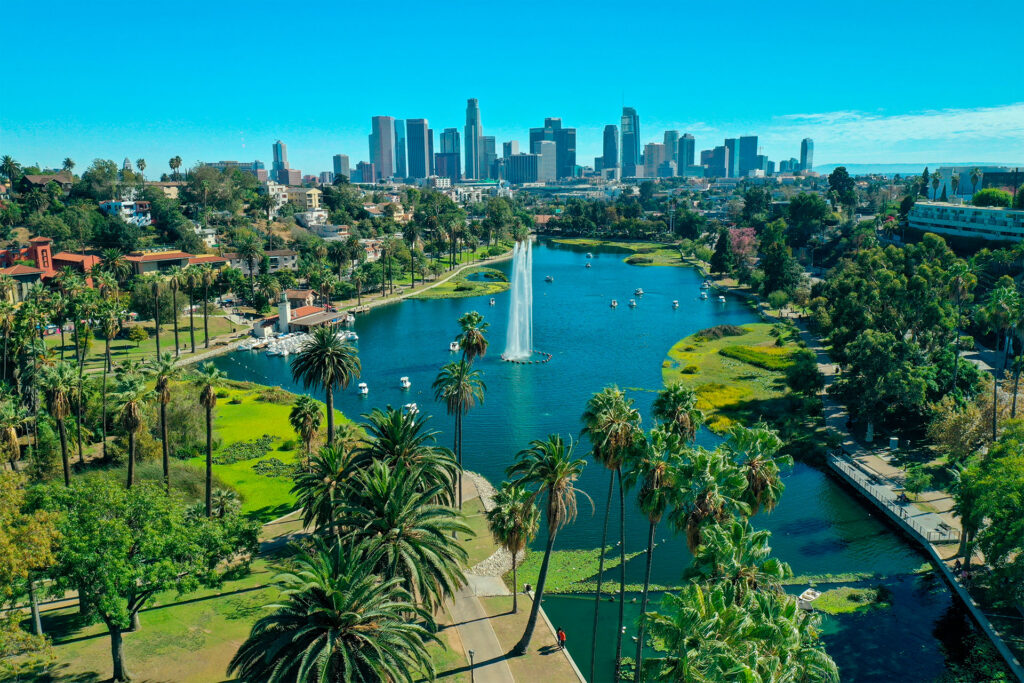
Los Angeles, United States
The urban greening project has reduced pollution levels in densely populated areas.
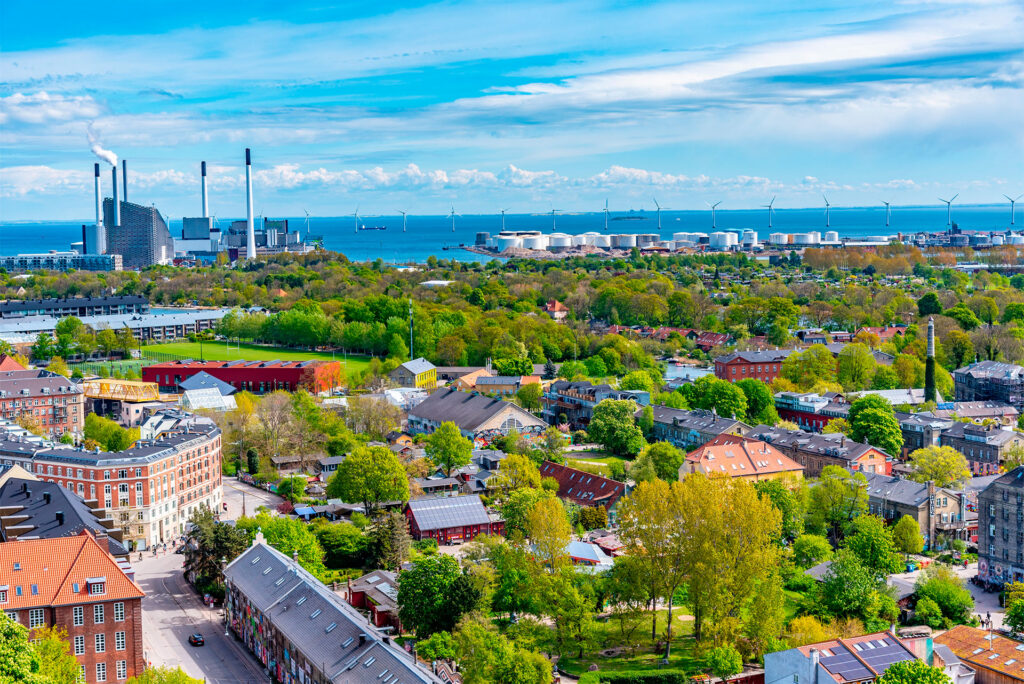
Copenhagen, Denmark
The active development of green areas has made the city more environmentally friendly and comfortable to live in.

Trees and biodiversity
Trees are the foundation of ecosystems. Don’t:
- provide oxygen;
- preserves the soil and prevents erosion;
- serve as a home and food source for animals, birds and insects;
- regulate the climate and the water cycle;
- purifies water by trapping impurities.
The diversity of tree species supports the sustainability of ecosystems and helps nature adapt to climate change. The disappearance of just one species can disrupt this delicate natural balance.
Protection against erosion and flooding
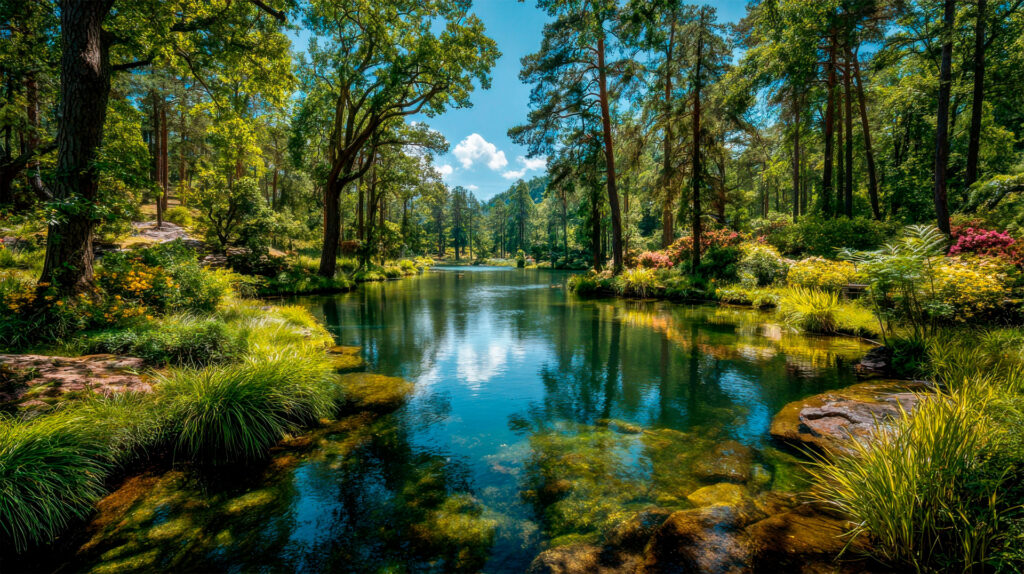
The root system of trees strengthens the soil and prevents erosion. Their crowns soften the effect of raindrops, reducing surface runoff. Trees retain moisture, purify rainwater, and slow down its flow, reducing the risk of flooding.
Forests create sustainable ecosystems that are better able to cope with extreme weather conditions.
The role of trees in climate regulation
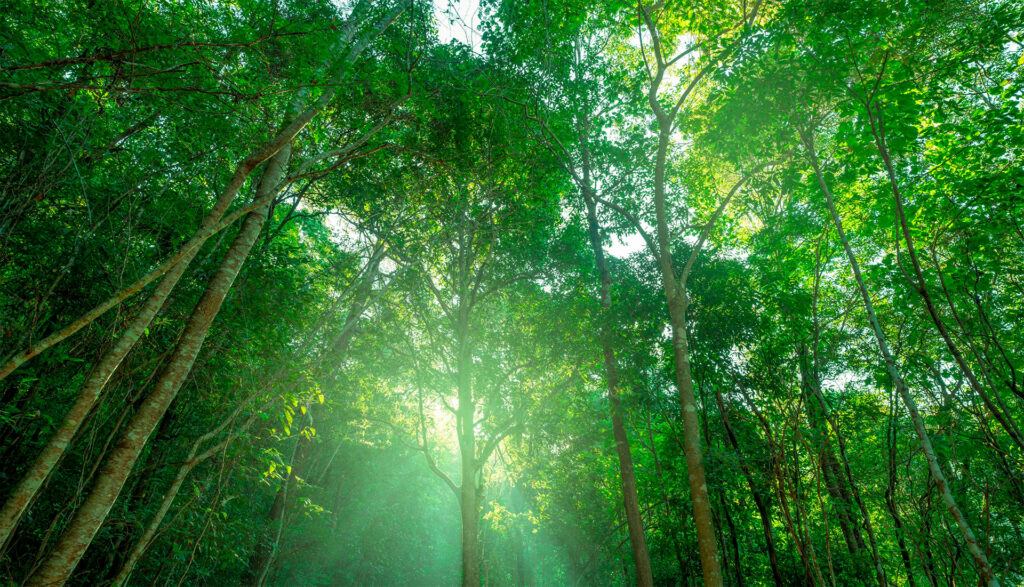
Trees are natural carbon sinks. They reduce the amount of carbon dioxide in the atmosphere and thus curb global warming. Forests regulate temperature, humidity and water balance, as well as improve air quality.
In addition to their ecological role, forests have economic, social and cultural significance as they provide resources, jobs and recreational areas.
How forests grow
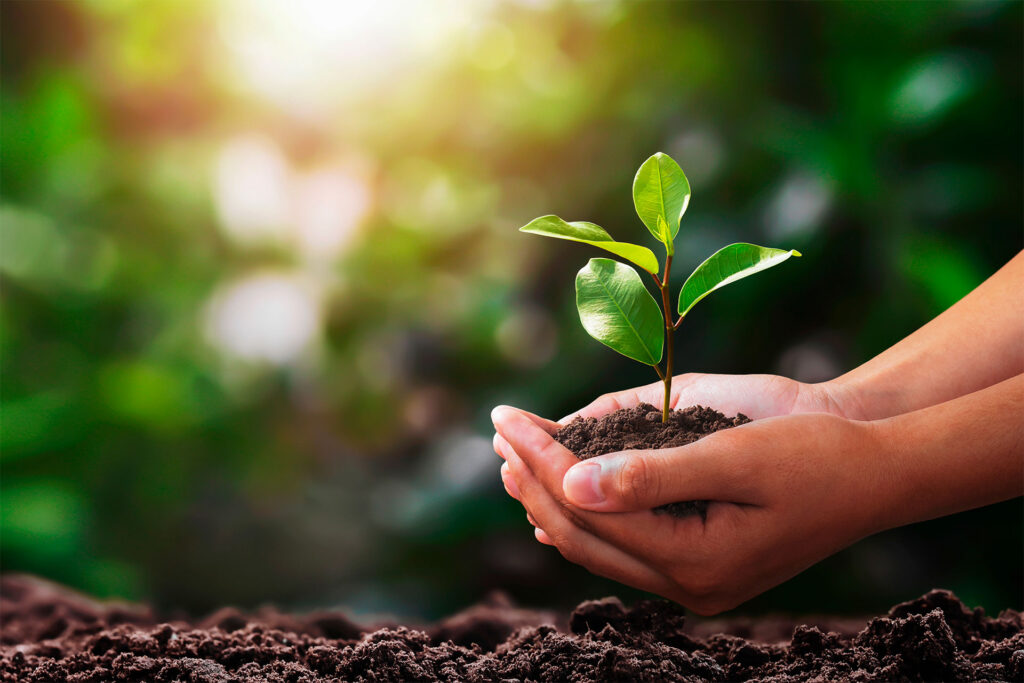
Forest management is a long-term and responsible process:
- Defining the goal – timber, ecosystem restoration or preserving biodiversity.
- Selection of tree species, taking into account the climate and soil.
- Site preparation and planting seedlings.
- Care — watering, pest control, growth control.
- Sustainable forest management – harvesting without harming nature.
With the right approach, the forest becomes a sustainable ecosystem that benefits both people and nature.
Why is it important to plant trees?
Each tree contributes to clean air, a stable climate, and a healthy ecosystem. Protecting and restoring forests requires the joint efforts of countries, organisations and all of us.
Plant a tree today and you will plant hope for the future.
Every action is important. Together, we can make the world greener, cleaner and healthier. 🌱