Tree species
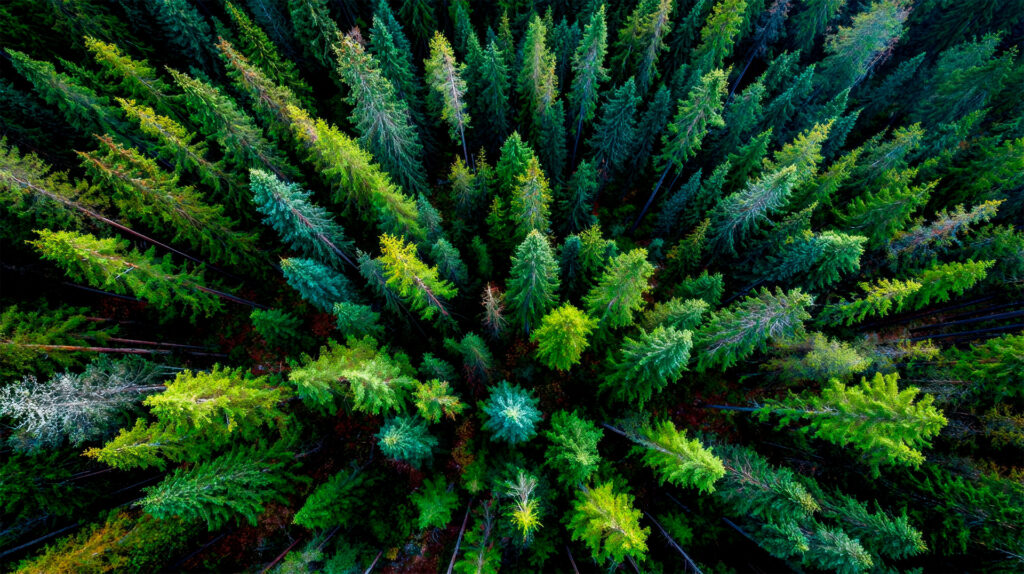
Scandinavian forests are distinguished by their rich tree species, adapted to cold climates, high humidity and short growing seasons. These trees play a key role in maintaining the ecosystems, biodiversity, and natural balance of the region.
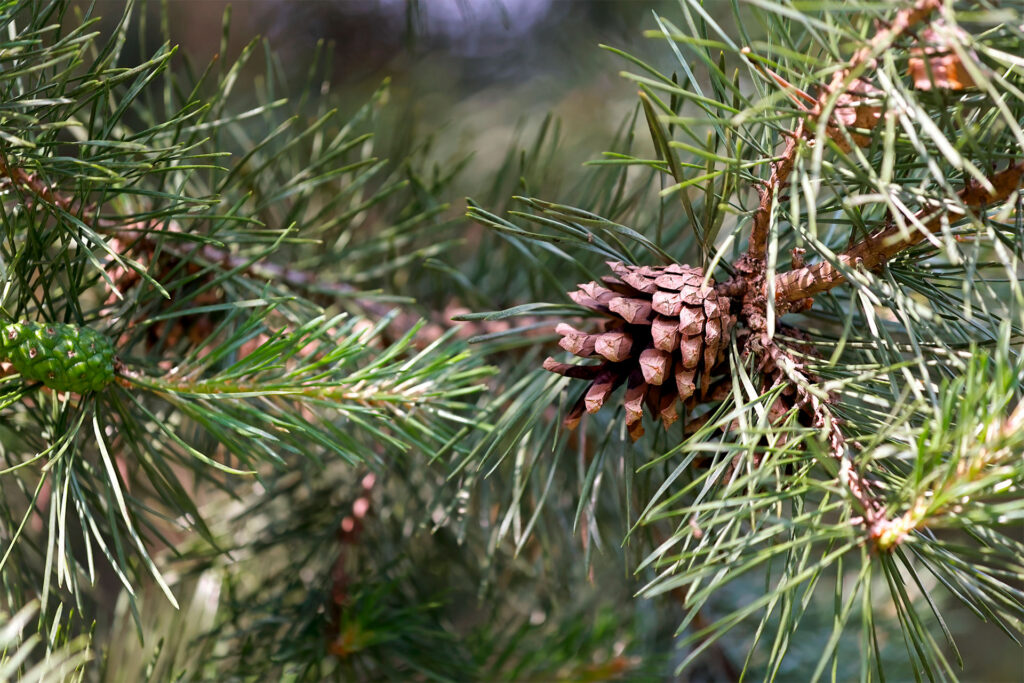
Common pine (Pinus sylvestris)
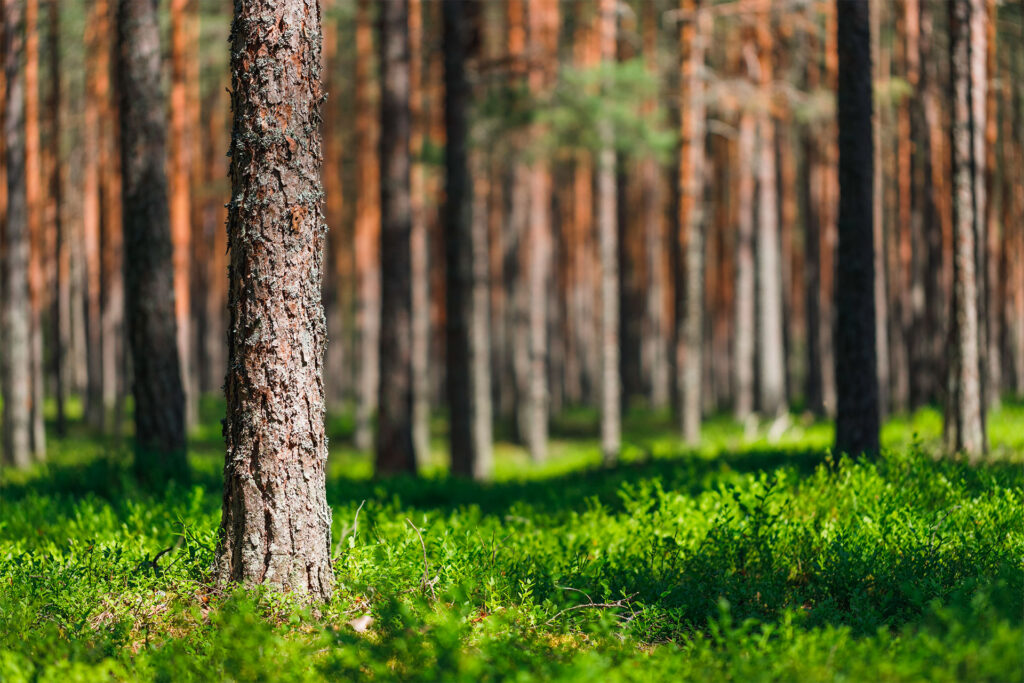
One of the most common trees in Scandinavia. It grows up to 30 meters tall and is characterized by its reddish-brown bark, as well as long thin needles. Pine is resistant to frost and poor soils, forms vast forests and provides shelter for birds and small animals.
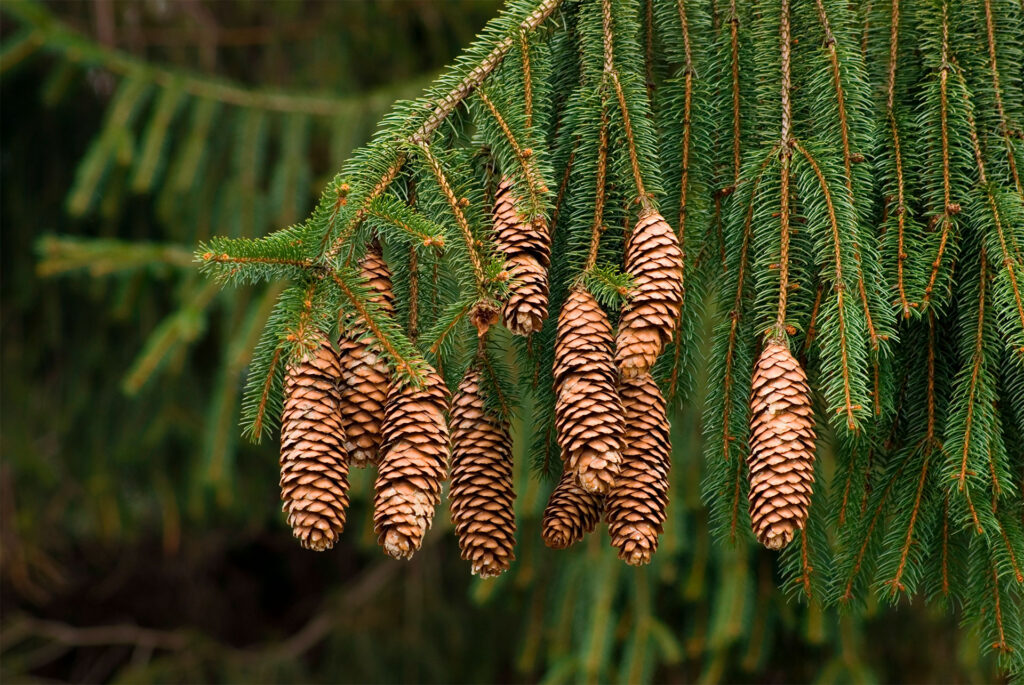
Common spruce (Picea abies)
A large coniferous tree that can grow up to 50 meters; It has a dense crown and conical cones. It forms dense forests that are important for regulating humidity and microclimate. It is widely used in construction and the wood processing industry.
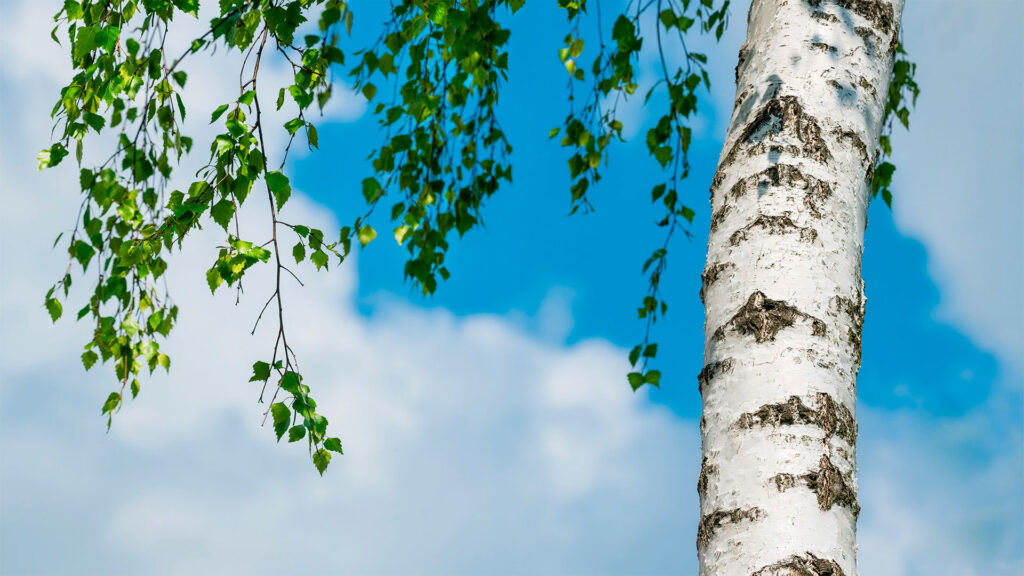
Hanging Birch (Betula pendula)
A fast-growing deciduous tree that can grow up to 25 meters and is characterized by white bark. Improves soil quality, promotes forest restoration and attracts an abundance of insects. It is one of the symbols of Scandinavian nature.
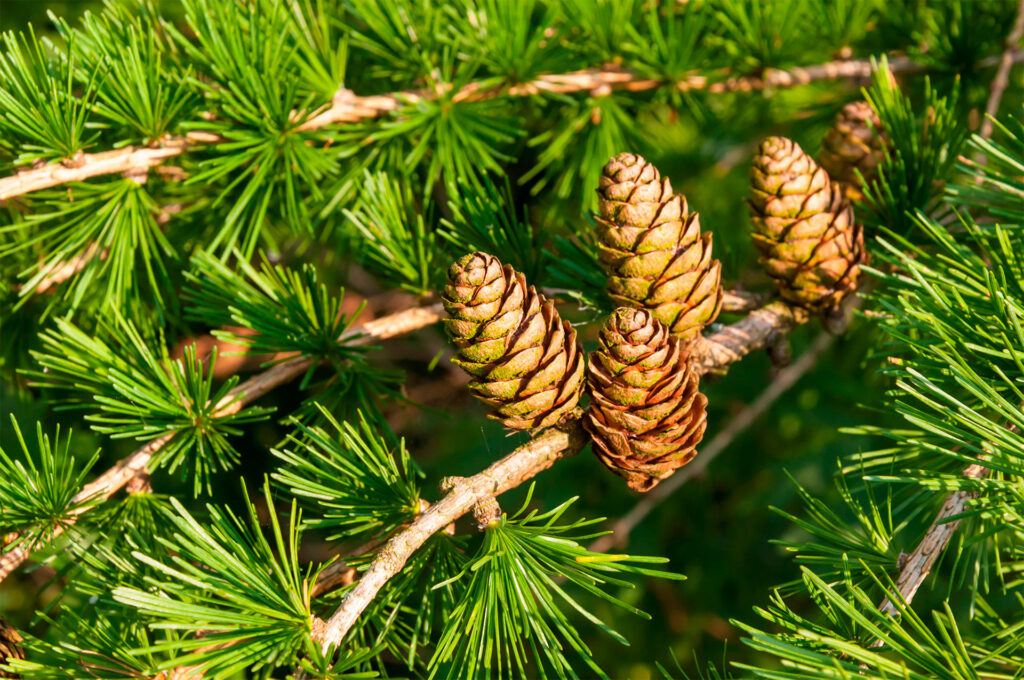
European larch (Larix decidua)
A conifer that drops its needles for the winter. It can grow up to 40 meters. It is often found in mixed forests and is valued for its strong, moisture-resistant wood.
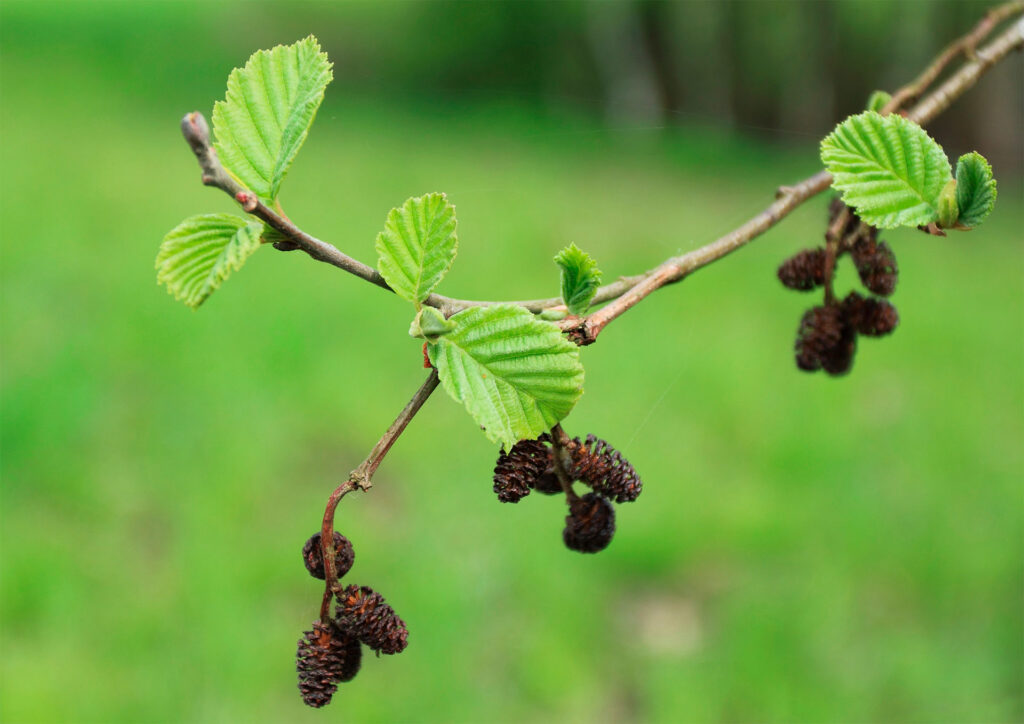
Black alder (Alnus glutinosa)
Grows on the banks of rivers, lakes and swampy areas. Enriches the soil with nitrogen, improving the conditions of other plants, and provides natural shelter for aquatic organisms and coastal animals.
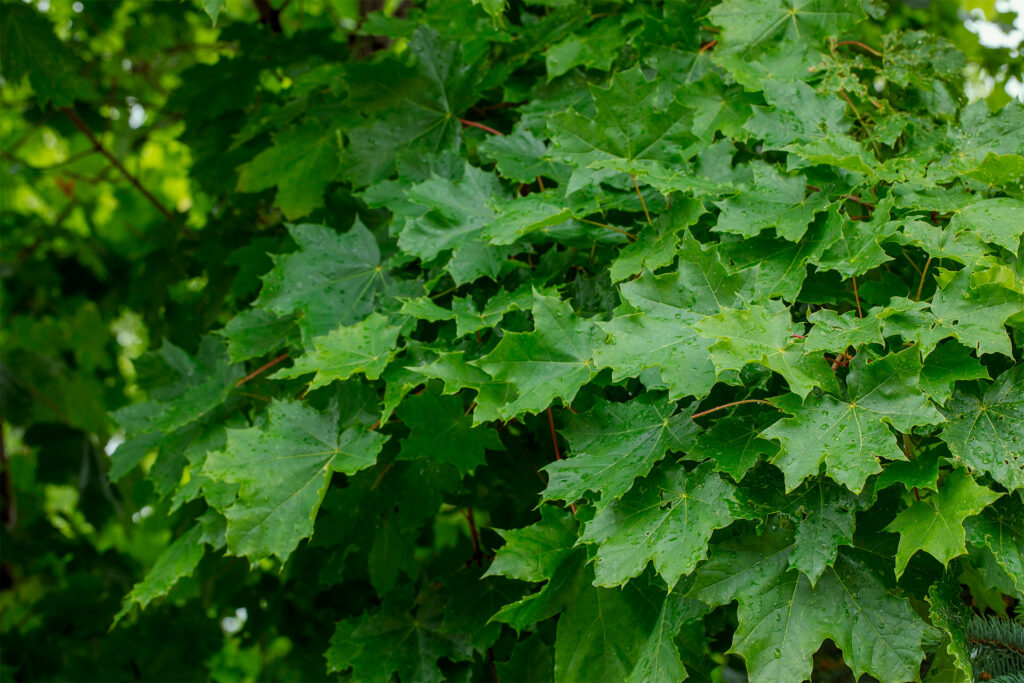
Norway maple (Acer platanoides)
Deciduous tree that grows up to 20 meters; especially spectacular in autumn due to the bright coloring of the leaves. Promotes moisture retention in forests and serves as a food source for birds and insects.
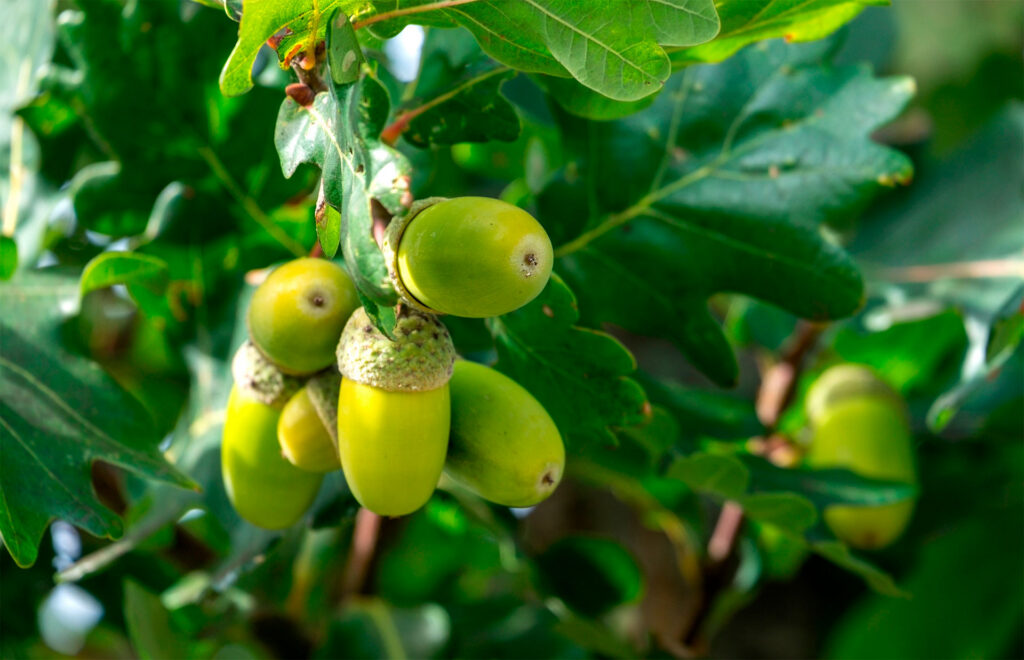
Noble oak (Quercus robur)
Found mainly in southern Scandinavia. Stands out for its longevity and durable, hard wood. Oak forests maintain a high level of biodiversity.
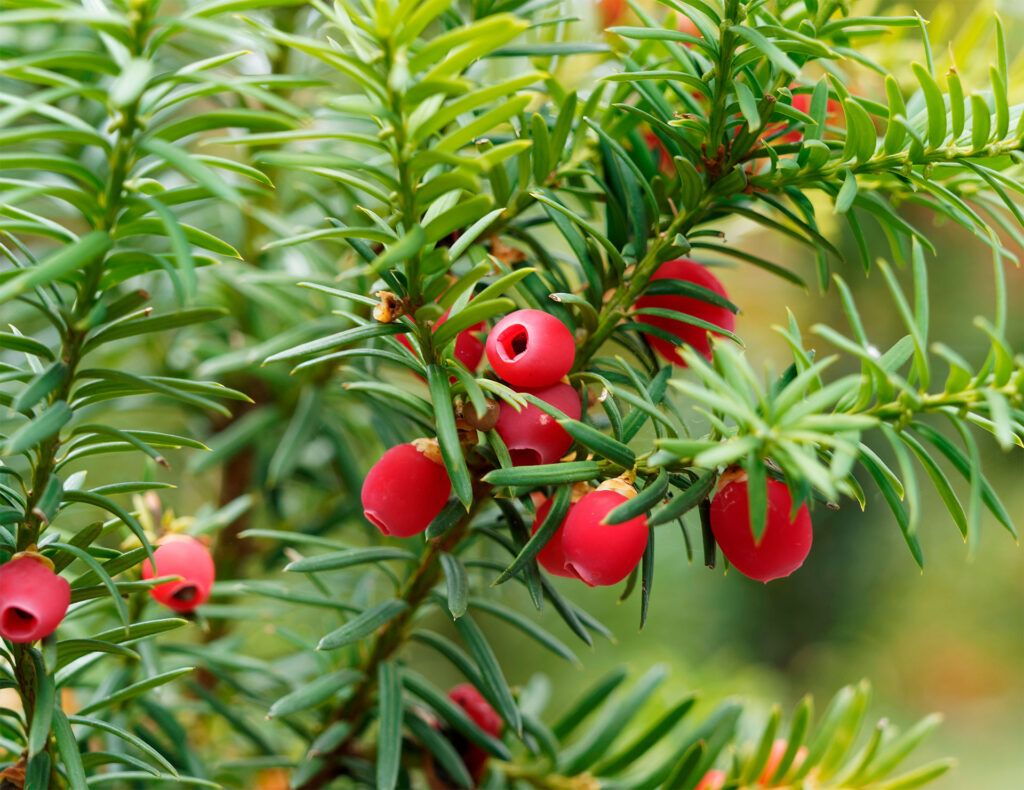
Yew (Taxus baccata)
A slow-growing tree or shrub that thrives in shady and sheltered locations. The berries provide food for birds, but the seeds of the plant are toxic to humans.
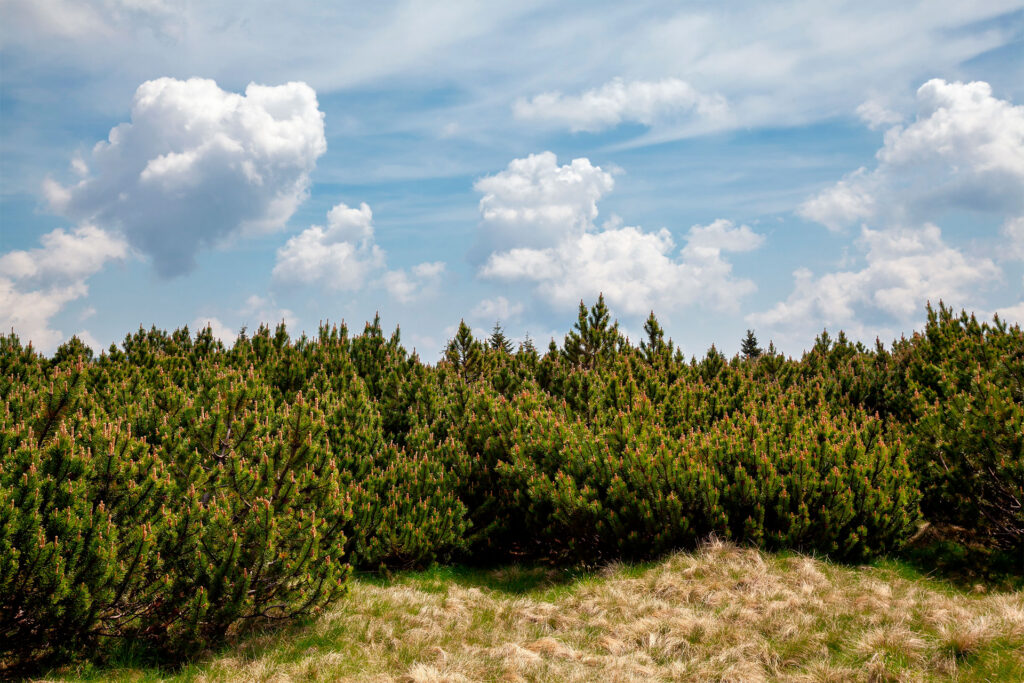
Mountain pine (Pinus mugo)
Low-growing, often shrub-like pine form, common in mountainous and subalpine areas. It is very resistant to frost, strong winds and barren soil. In Scandinavia, it is rare and occurs mainly in ornamental plants and harsh natural environments.
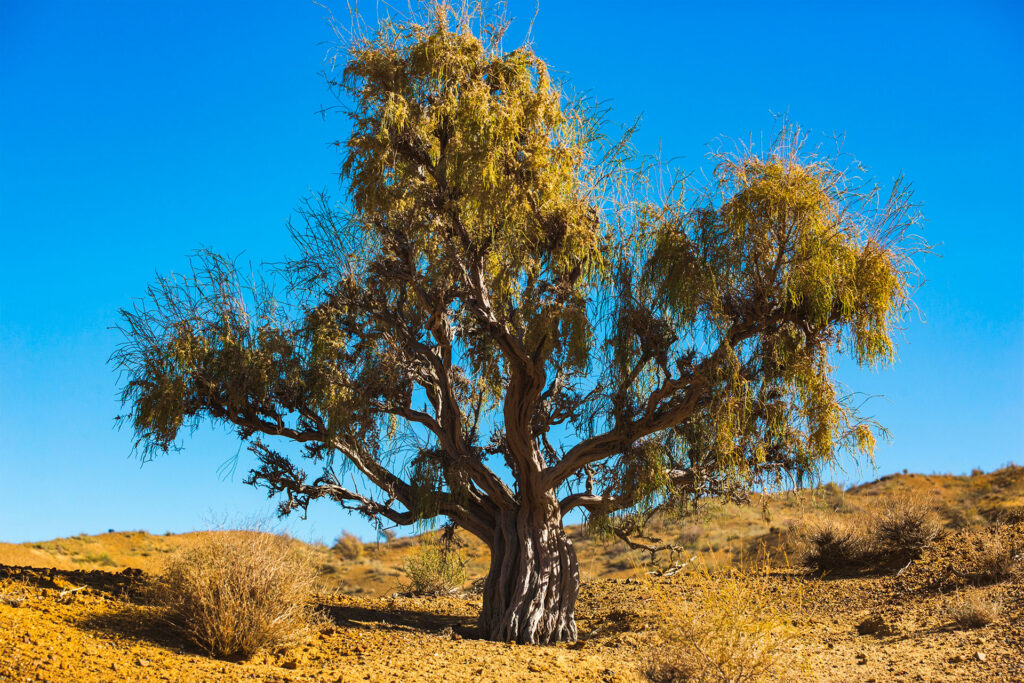
Saxaul (Haloxylon)
Saxaul is not a native tree of Scandinavia and does not grow there in the wild. In the region, it is found exclusively in botanical gardens, scientific collections or greenhouses as an exotic plant.